
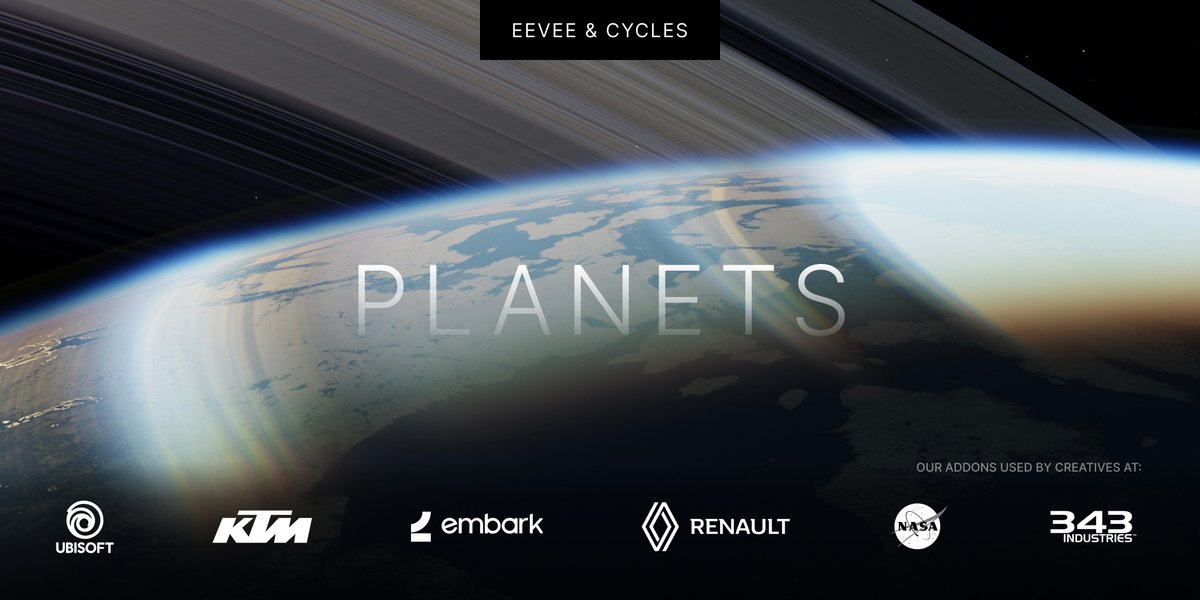
physical celestial objects for Blender
Physical Celestial Objects v1.1.2 for Blender – The Ultimate Procedural Space & Planet Generator
Versions: v1.1.2
File Size: 160 MB
Download Physical Celestial Objects v1.1.2 for Blender on Windows and Mac, the definitive Geometry Nodes and shader-based toolkit for creating breathtaking, scientifically plausible cosmic bodies. From rocky terrestrial planets and swirling gas giants to glowing binary stars, dense asteroid belts, and intricate ring systems, this addon eliminates the need for manual sculpting or complex external space software. By leveraging physically based atmospheric scattering and procedural displacement, Physical Celestial Objects transforms how sci-fi artists and visualizers build the cosmos, delivering infinite, high-resolution worlds with a single click.
Key Features of Physical Celestial Objects v1.1.2:
- Procedural Planet Generator: Instantly generate diverse planetary bodies with dedicated presets for Terrestrial (Earth-like), Gas Giants, Ice Worlds, Lava Planets, and Desert Worlds, all driven by fully adjustable noise and color ramp parameters.
- Physically Based Atmospheres: Built-in Rayleigh and Mie scattering shaders automatically calculate realistic atmospheric glow, horizon haziness, and stunning sunset/sunrise color gradients based on the planet’s gravity and gas composition.
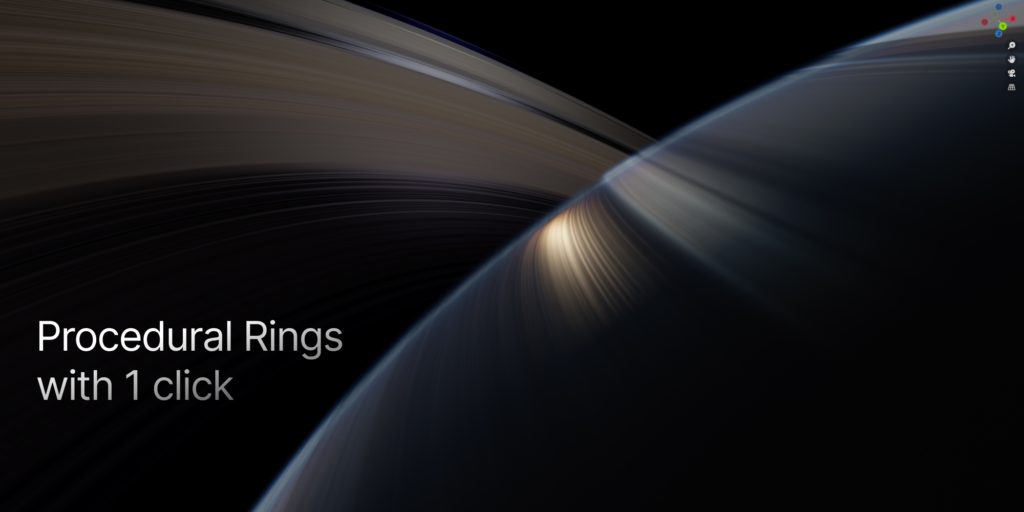
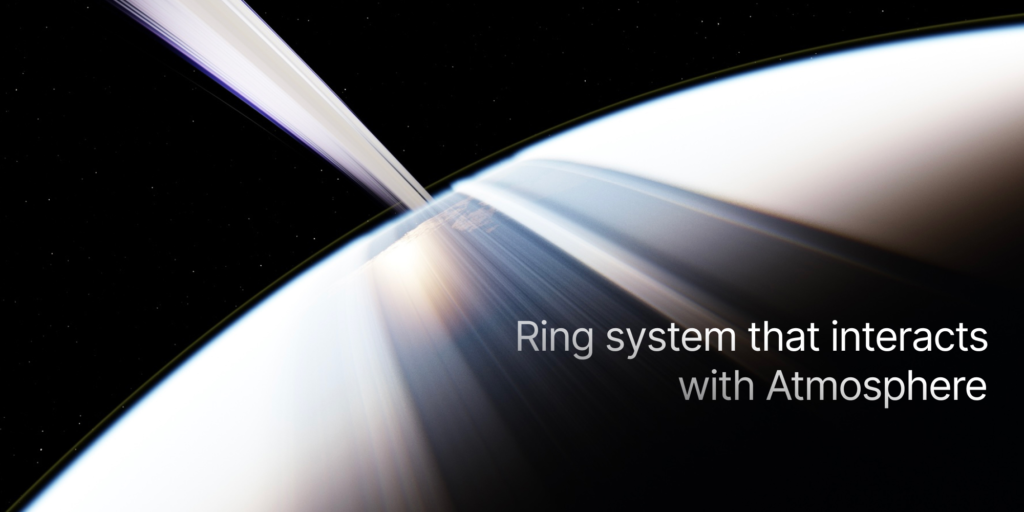
- Dynamic Ring Systems: Create complex planetary rings (like Saturn’s) with procedural gaps, varying particle densities, and accurate shadow-casting that dynamically interacts with the planet’s surface and the central star.
- Volumetric Stars & Coronas: Generate glowing, volumetric stars with realistic solar flares, prominences, and corona effects that react to camera distance and provide accurate scene lighting.
- Surface Displacement & Cratering: Advanced displacement node setups automatically generate realistic mountain ranges, ocean trenches, and impact craters, ensuring the planet’s silhouette looks authentic even in extreme close-ups.
- Gas Giant Banding & Storms: Procedural fluid-like banding for gas giants, complete with animated storm systems (like Jupiter’s Great Red Spot) that swirl and shift over time without heavy fluid simulations.
- Moon & Asteroid Generator: Quickly populate your solar system with procedurally scarred moons, dwarf planets, and dense asteroid belts with randomized rotation and orbital paths.
- Orbital Animation Setup: One-click rigging for planetary rotation and moon orbiting, with adjustable speeds, axial tilts, and elliptical orbit paths for accurate celestial mechanics.
- Non-Destructive & Scalable: Entirely procedural. You can change a planet from a lush Earth-like world to a barren Martian desert at any time by simply tweaking the material sliders, without re-texturing or re-modeling.
Perfect For:
- Sci-Fi Environment Artists building alien solar systems, space stations, and deep-space backgrounds for film and animation.
- Motion Designers creating cosmic logo reveals, space documentaries, and abstract astronomical visualizations.
- Game Developers generating high-quality skyboxes, distant planets, and space exploration assets for Unity or Unreal Engine.
- Architectural Visualizers adding realistic night skies, moon phases, and atmospheric lighting to exterior building renders.
- VFX Studios creating matte paintings of space nebulas, planetary fly-bys, and stellar phenomena.
- Educational Creators building accurate, scaled models of our solar system or exoplanets for scientific visualization.
System Requirements:
- Blender: 3.6, 4.0, 4.1, 4.2, 4.3, 4.4+ (Geometry Nodes required; optimized for Blender 4.x).
- OS: Windows 10/11 (64-bit) or macOS 10.15+.
- RAM: 8GB minimum (16GB to 32GB+ highly recommended for high-resolution volumetric atmospheres and dense asteroid fields).
- Render Engine: Fully compatible with Cycles (recommended for accurate volumetric scattering and displacement) and Eevee (with Volumetrics and Screen Space Reflections enabled).
Installation:
- Download the Physical Celestial Objects v1.1.2
.zipfile. - Open Blender and go to Edit > Preferences > Add-ons.
- Click Install…, select the downloaded file, and enable the checkbox next to Add Mesh: Physical Celestial Objects.
- Access via the Add Menu > Mesh > Celestial Object or the dedicated panel in the 3D Viewport Sidebar (N-panel) under the Space tab.
What’s New in v1.1.2?
- Binary & Multi-Star Systems: Added full support for multiple light-emitting stars in a single system, complete with accurate orbital mechanics, intersecting coronas, and complex planetary lighting (e.g., double sunsets).
- Tidally Locked Planets: Introduced a specialized “Eyeball Earth” preset and shader logic for tidally locked worlds, featuring a scorched dayside, a frozen nightside, and a habitable twilight terminator zone.
- Asteroid Field Optimization: Completely rewrote the asteroid instancing logic using Geometry Nodes point cloud caching, reducing viewport lag by 70% when generating fields with over 100,000 rocks.
- Enhanced Twilight Scattering: Refined the atmospheric terminator line shader to produce deeper, more cinematic reds and purples during planetary sunrises and sunsets.
- Rogue Planet Support: Added presets for “rogue planets” drifting in deep space, featuring cryogenic ice surfaces and faint geothermal glows without a central star.
- Blender 4.3/4.4 Bug Fixes: Resolved a rare shader compilation warning in Eevee Next and fixed an issue where ring shadows would occasionally detach from the planet mesh during rapid orbital animation.
Note:
Physical Celestial Objects v1.1.2 is built on the philosophy of scientific aesthetics. While it takes creative liberties for artistic impact, the underlying shaders use real-world physics principles for light scattering, gravity-based atmospheric density, and thermal radiation. This means your planets won’t just look like painted balls; they will interact with light exactly as a real celestial body would. The addon also features a “Bake to Maps” utility, allowing you to easily export the procedural planet textures (Albedo, Roughness, Normal, Displacement) into standard 2D images for use in game engines or external compositing software. Whether you are designing a single hero planet for a movie poster or an entire galaxy, this toolkit provides the cosmic building blocks to do it flawlessly.
Breathtaking planets
in a single click
Physical Celestial Objects Addon allows you to build
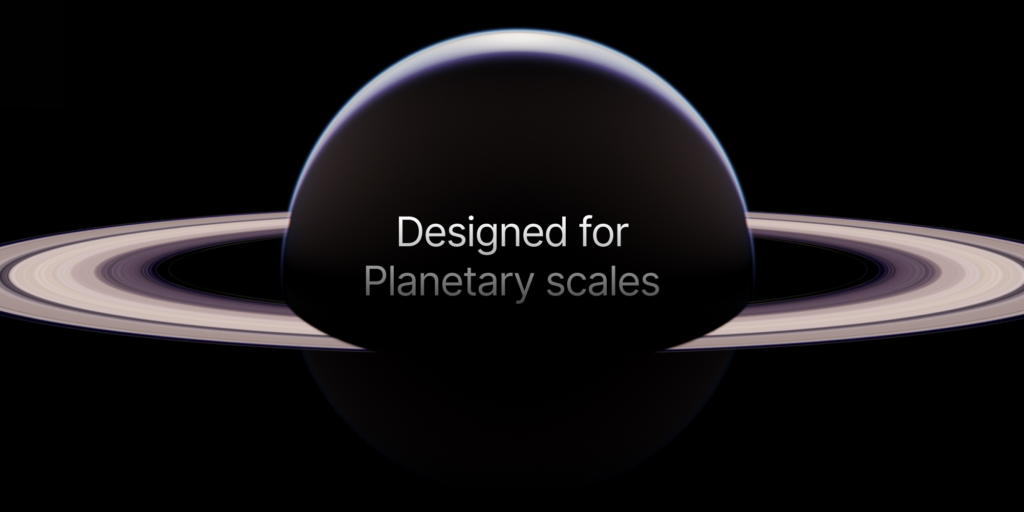
real-scale planets with multi-layered atmospheres,
procedural rings in real time while having
cinematic visuals.
Features
No compromise precision.
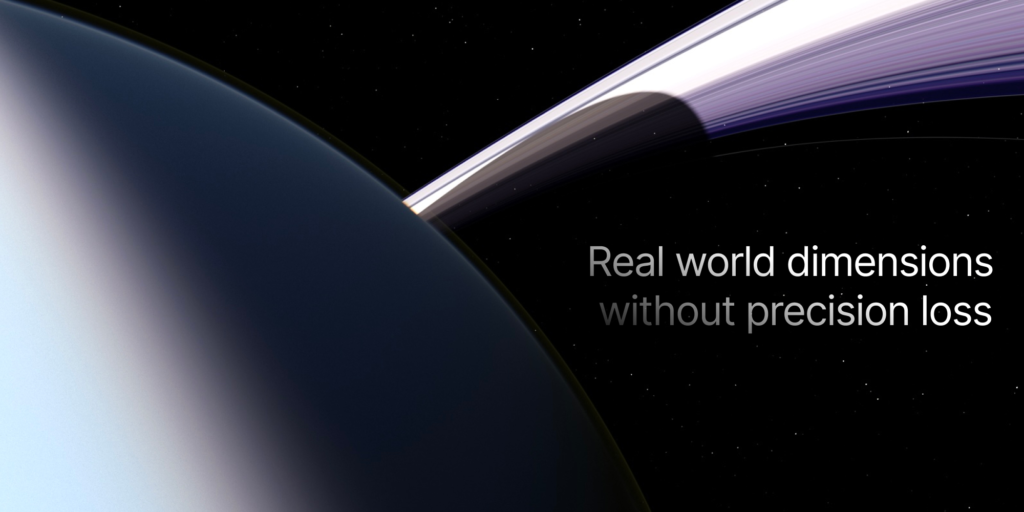
You are free to scale up your planets using real-world measurements and distances without having to worry about precision loss, z-flighting, and shadow distances.
Realtime speed and performance.
Experience unparalleled speed and efficiency with real-time rendering, ensuring smooth performance during both editing and playback.
Pre-made planets.
Save time and effort with pre-made planetary systems, that can instantly transform your scene and serve as a starting point for further customisation.
Planetary rings
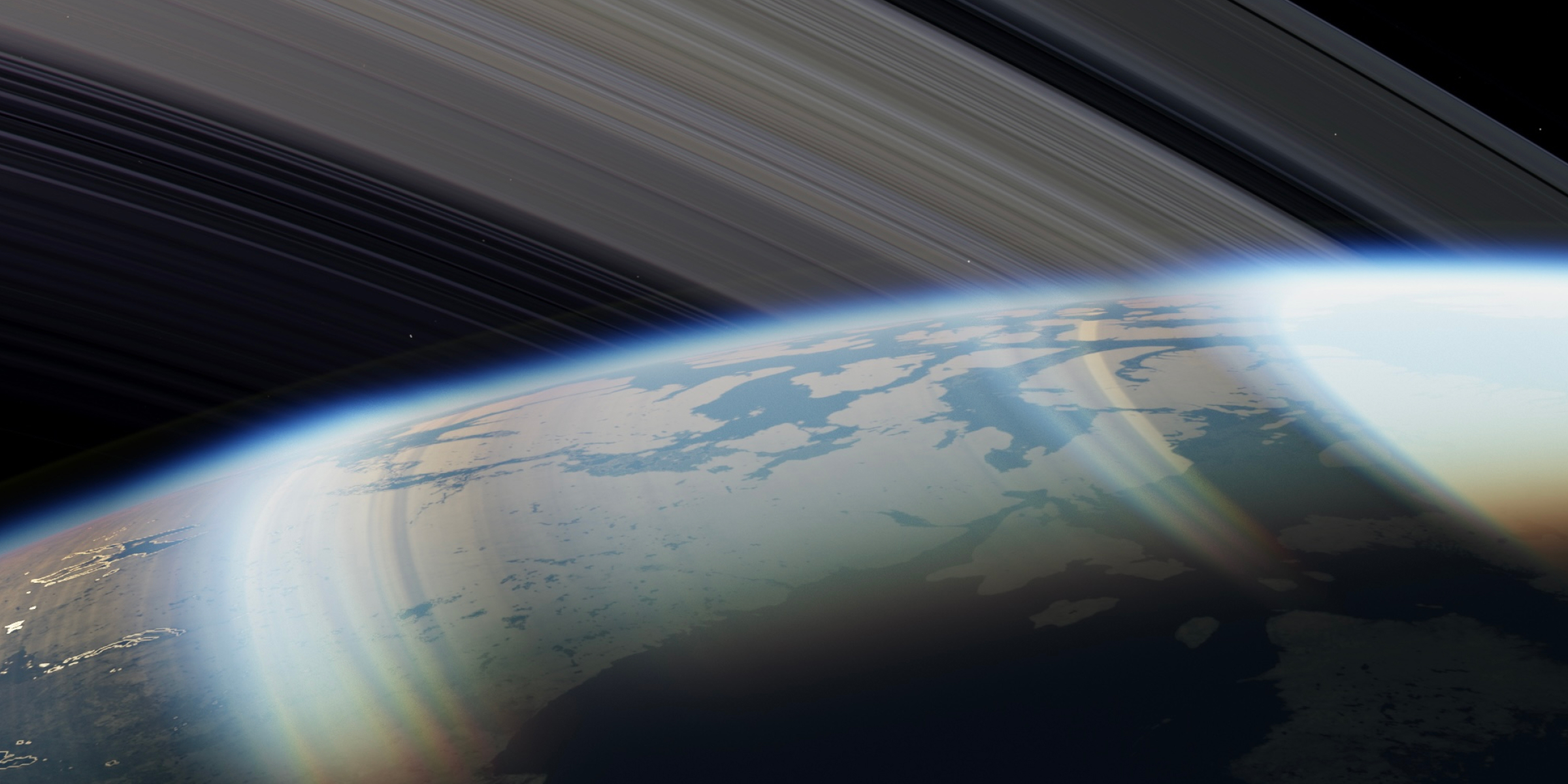
can be customized to build eye-catching worlds. Rings interact with the atmosphere and the planet surface – cast shadows and indirect light.
Animate everything.
Use keyframes to effortlessly animate each feature, giving you the ability to bring your scenes to life.
Intuitive Planet Positioning.
When you work in celestial sizes, intuitive positioning is a must. You can position planets using orbital, global, or viewer transform.
Cinematic Atmosphere.
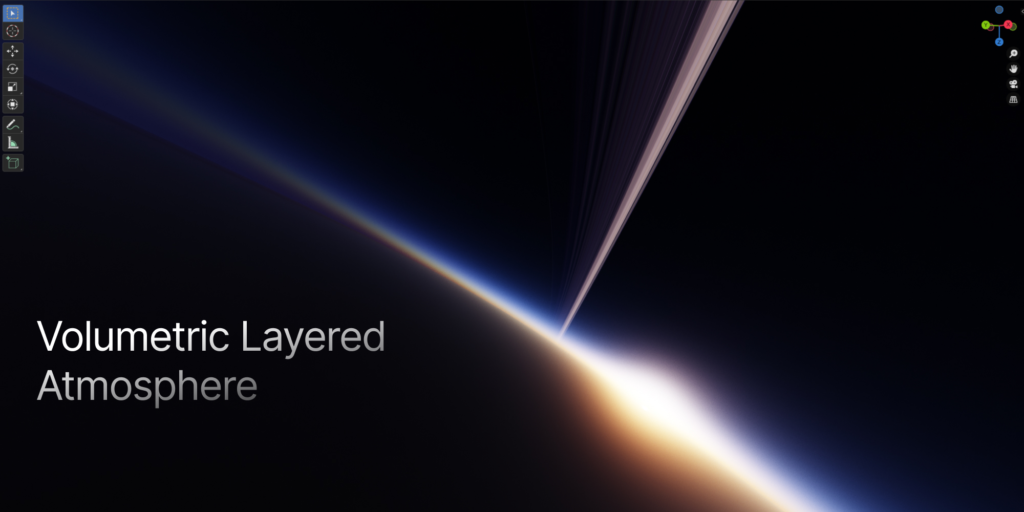
Our atmosphere is built with a multi-layer system. You can assign properties to each layer to build your own unique atmospheres. Our physics based ray-marcher takes care of mixing it all together.
Save time.
PCO saves hours that usually are invested in solving issues that come up when you decide to create planetary-scale worlds.
Works on Eevee & Cycles.
Our addon seamlessly integrates with both Eevee and Cycles render engines, ensuring compatibility and consistent results across your favorite rendering platforms.
Lights up your scene.
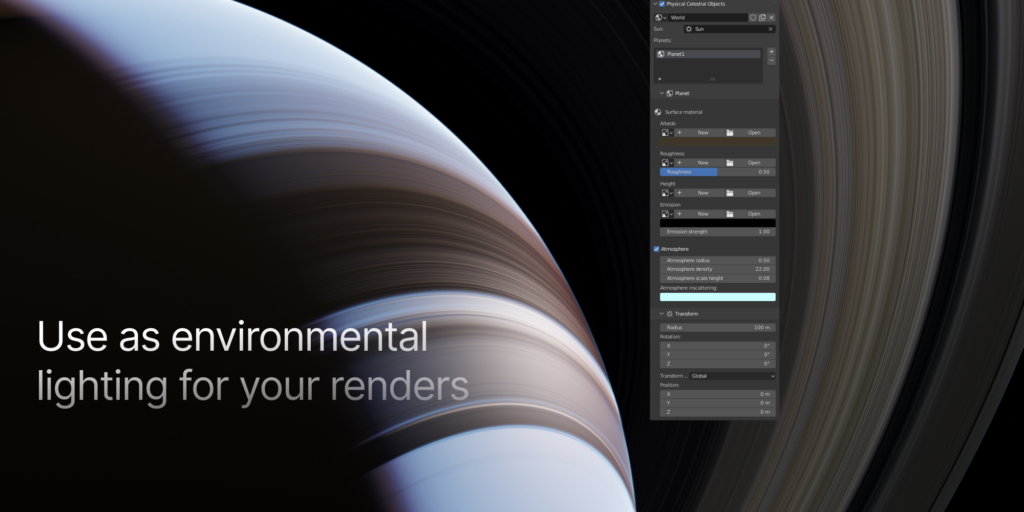
Our addon is calculated in World node shader that automatically acts as environment light and illuminates your scene without having to add fake lights manually.
Physically acurrate shading.
Our planet surface lighting model is based on Hapke BRDF specifically designed for celestial bodies. Raytraced soft shadows are cast from planets. Indirect light bounces from lit parts of planets.
All our addons work together
to make procedural worlds you won’t be able to distinguish from reality.
Supercharge your 3D creation workflow with premium selection of Blender Add-ons. Whether you are modeling intricate characters, sculpting realistic environments, or animating cinematic sequences, the right add-on can transform how you work inside Blender. Our curated collection includes powerful tools for UV unwrapping, procedural texture generation, rigging automation, rendering optimization, and more—each rigorously tested for compatibility with the latest Blender versions. Eliminate tedious manual processes and unlock advanced functionality that lets you focus on what matters most: bringing your creative vision to life. Explore our full range of professional Blender plugins today and take your 3D projects to the next level.
➡️ ➡️ For more Blender Plugins 😀 😀
Reviews
There are no reviews yet.